Where do wasps build nests?
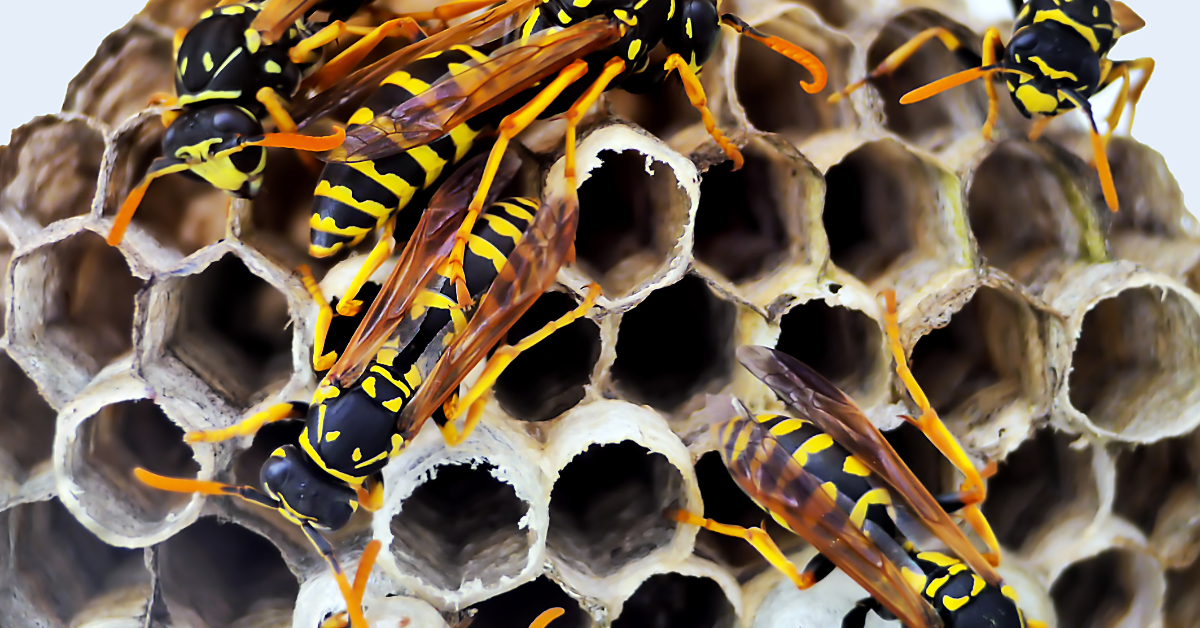
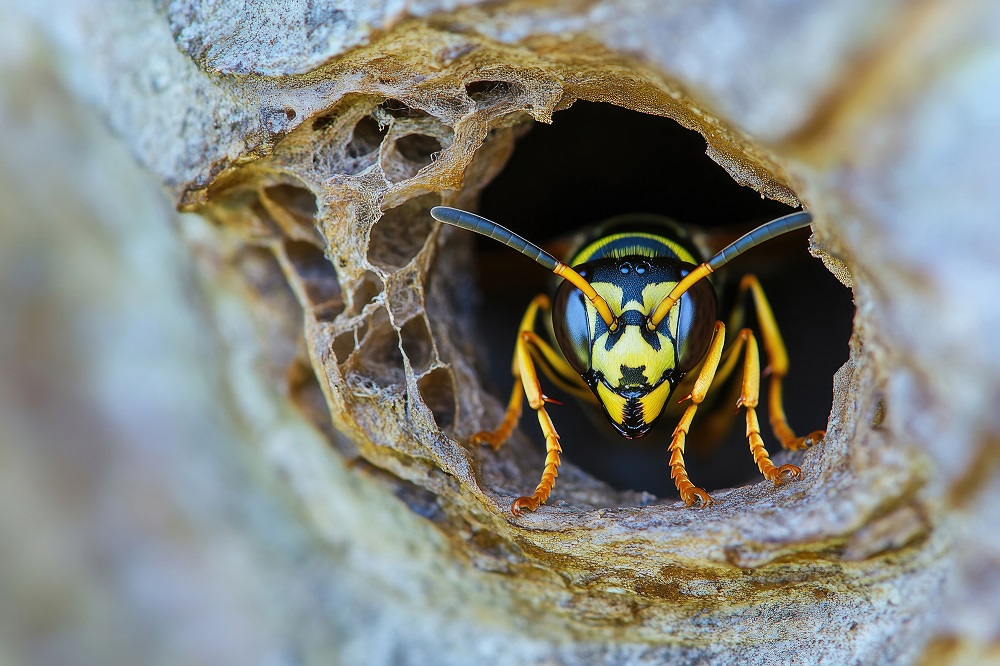
Wasps choose sheltered locations away from the weather and predators so dry, dark and secluded spaces where they’re unlikely to be disturbed are ideal. Because wasp nests tend to be in areas of your home or garden that you might not visit regularly, you might not notice the initial signs of a wasp nest until much later into the season when it becomes too dangerous to deal with the problem yourself. Early wasp nests are about the size of a golf ball and some good places to check are these: Lofts and attic spaces, Roof eaves, Sheds, garages and outbuildings, Cavity walls, Underground.
Do wasps return to old nests?
As autumn sets in, the nest is left behind. The worker wasps and males die off, while only the newly mated queens make it through the winter. They find places to hibernate such as under tree bark, in attics, or underground. The previous nest is not reused. Instead, it typically deteriorates and crumbles away during the winter months.
Seal cracks and holes
Take a close look at your home by examining for any cracks or gaps around windows, doors, vents, and the edges of your roof. Even tiny openings can allow wasps to get inside. Fix any issues you find with caulk, weather stripping, or mesh to close up those holes or cracks. Be particularly mindful of attic vents, spaces in the siding, and areas around utility lines.
Keep bins secure
To keep wasps at bay, make sure to use tight-fitting lids on your rubbish bins and try to keep them away from your home and not too near windows and doors. It’s also a good idea to avoid leaving food scraps outside, particularly those that are sugary or high in protein, as these can draw in wasps.
Remove food sources
Wasps search for protein in spring and are attracted to sweet, sugary food later at the end of the season so it’s important to ensure food isn’t left outside including pet food.
Use natural wasp repellent
Wasps dislike strong scents like peppermint oil, citronella, eucalyptus, or lemongrass. You can use these natural wasp repellent oils in a diffuser, or make a spray solution mixed with water and apply it to areas where wasps might build nests.
Close windows
This is more of a challenge later in the warmer summer months but keeping windows and doors shut stops wasps from entering your home.
Avoid fragrance
Wasps are attracted to perfumes and sweet smells so avoid strong scents to keep them away.
Plain clothing
Bright colours and patterns will attract wasps who are looking for flowers so wearing plainer clothing is another way to keep them away.
Garden plants
Try not to plant fruit trees or sweet smelling flowers close to your house as these will attract wasps.
How to prevent wasps from returning
Preventing wasps from returning to your property after you’ve dealt with an infestation or nesting is essential for long-term peace of mind. Some strategies to prevent wasps from returning include:
- Dispose of nests properly and clean the area thoroughly
- Apply natural repellents
- Maintain a clean garden
- Trim trees and shrubs near your home
- Keep an eye on areas that are prone to wasp activity so you can address it before it becomes too large
Even with preventative measures, there is still a chance you could end up with a wasp problem. Seeing wasps in the garden does not always mean there is a nest nearby and they can be useful for pollinating plants and as natural garden pest control. However, wasps are stinging insects who will attack if provoked. This means that DIY wasp nest removal is not recommended. For expert local wasp control in Yorkshire, get in touch with the team at MJ Backhouse.
Contact us
If you’re looking for a professional and dependable pest control partner for your business, MJB Pest Control is here to help. Contact us today to discuss your specific needs and find out how we can help keep your premises pest-free.