Do Wasps Hibernate?
Put simply, wasps do not hibernate as such, although the process is very similar. The official term for this is ‘diapause’ which is a period of physiologically enforced dormancy between periods of activity.
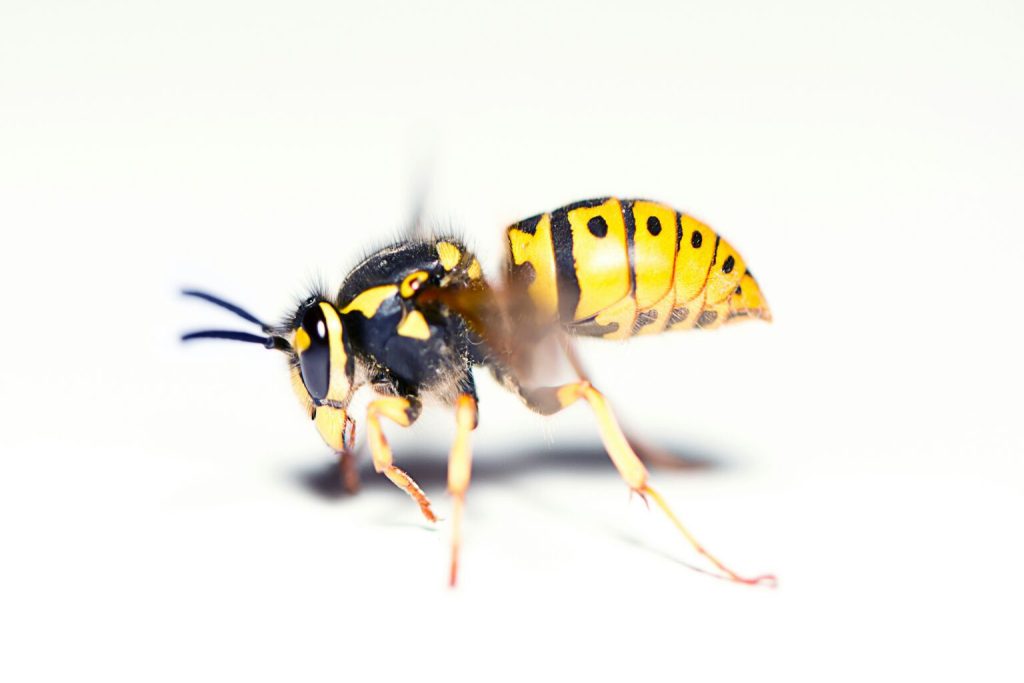
During diapause, the fertilised queen wasps will find shelter in crevices, under bark, or inside human-made structures to protect themselves from the cold. Their metabolic rate slows significantly, allowing them to survive on stored fat reserves until spring.
It’s important to note that the rest of the colony—the workers, males, and the old queen—do not survive the winter. They typically die off as temperatures drop and food sources become scarce. This cycle ensures that the only wasps to see the spring are the fertilised queens, ready to emerge and start new colonies.
Where Do Queen Wasps Go in the Winter?
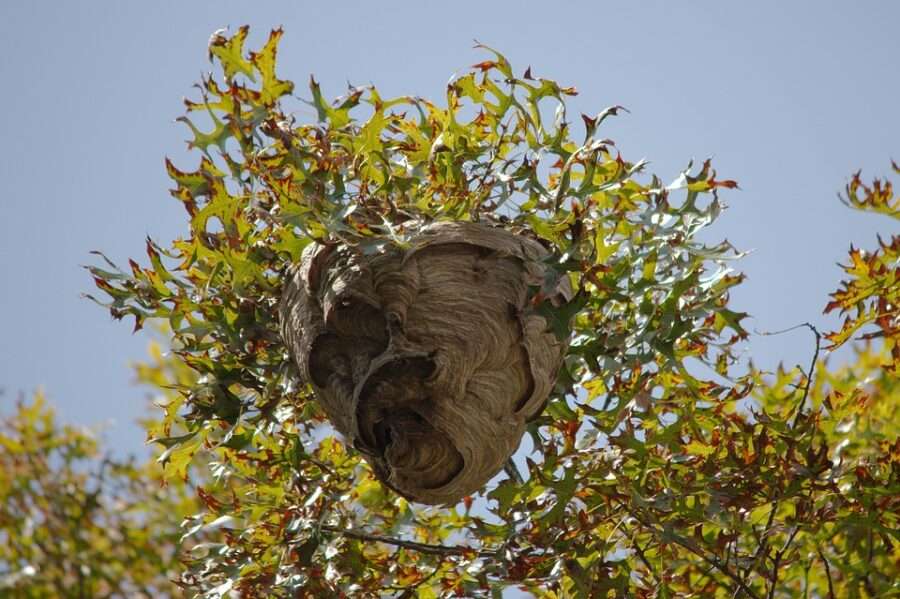
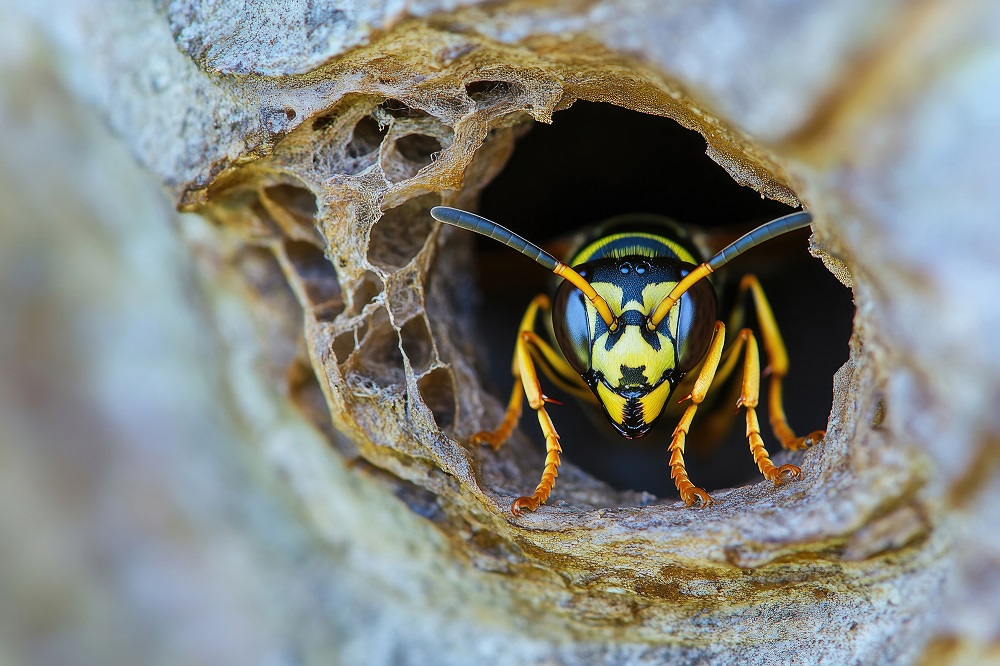
Queen wasps typically seek shelter during the winter in places that offer protection from the cold and predators. Since wasps establish their nests in secluded spots, they often choose areas of your home or garden that are infrequently visited meaning you may not initially detect their presence such as:
- Lofts and attic spaces
- Roof eaves
- Sheds, garages and outbuildings
- Cavity walls
- Outdoor spaces in the ground, trees and shrubbery
How Do Wasps Survive the Winter?
The survival of wasp queens through the winter is crucial for the continuation of the species. By finding a sheltered spot to enter diapause, these queens can avoid the lethal effects of freezing temperatures. Their bodies produce a form of antifreeze, glycerol, which prevents ice crystals from forming and damaging their cells.
As the temperatures rise in spring, the queens awaken from their diapause. They then set about the task of building new nests, laying eggs, and starting the cycle anew. The survival of the species depends entirely on these queens, as the previous year’s workers and nests are not reused.
While wasps do not hibernate in the traditional sense, they have developed a fascinating method of surviving the winter months. By entering a state of diapause, fertilised queens can outlast the cold, ensuring the continuation of their species into spring.
Contact us
At MJ Backhouse, we have many years of experience dealing with wasp control in Yorkshire. If you’re noticing signs of a wasp nest on your property that you’d like to remove, contact the team today.