How to tell if it’s an active nest
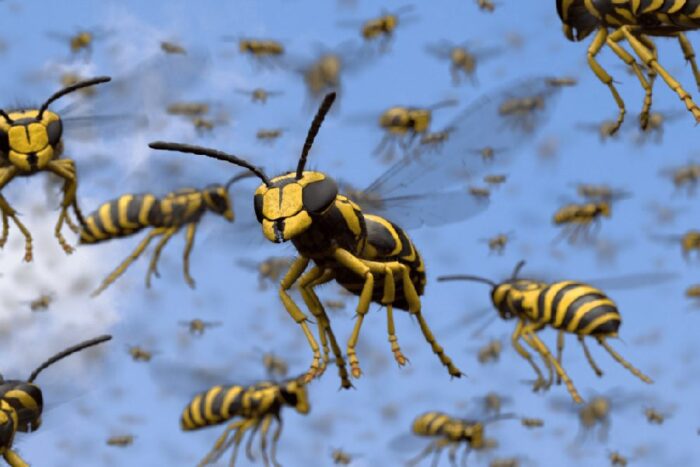
The best way to determine an active wasp nest is active is to look for activity around the nest. If you have seen a large number of wasps flying back and forth from the entrance to the nest then it is likely it is active. Wasps are less active at night, so it’s best to make these observations during the day.
Size of the nest
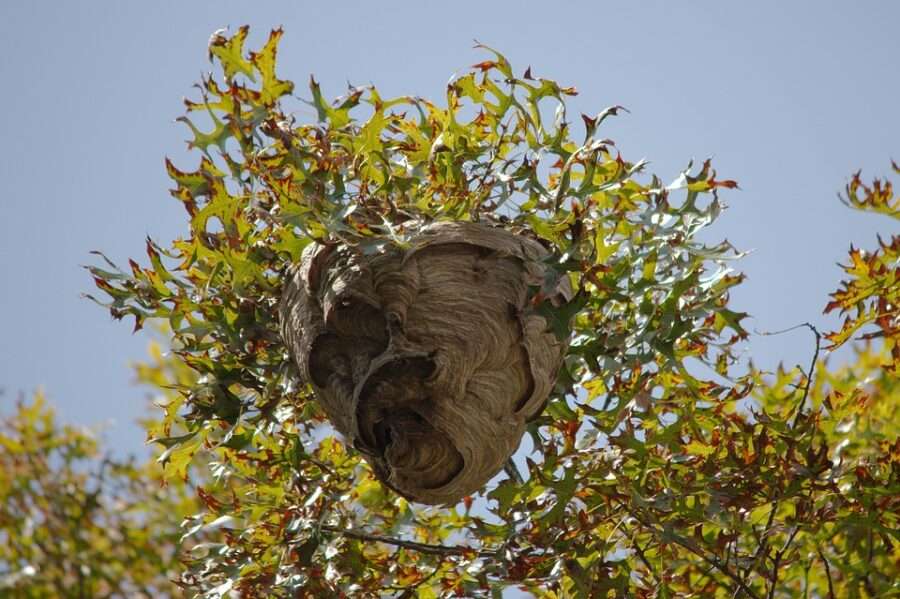
If you notice that the wasp nest is getting bigger, it indicates that it’s active. Wasps gradually construct their nests, so an active one tends to be larger and often has layers or combs inside. On the other hand, inactive nests typically don’t show much growth and may look worn or damaged.
Nest construction
Wasps begin constructing new nests in the spring or early summer, and you may notice them actively working on their homes. The newly created paper or pulp used for the nest tends to appear lighter and cleaner than the older sections.
Sounds from the nest
If the nest is disturbed, you might notice a buzzing noise coming from inside. This sound is produced by the wasps as they move about or get agitated. The noise tends to be more pronounced when the nest is threatened, whether by a predator or a human.
Where do wasps nest?
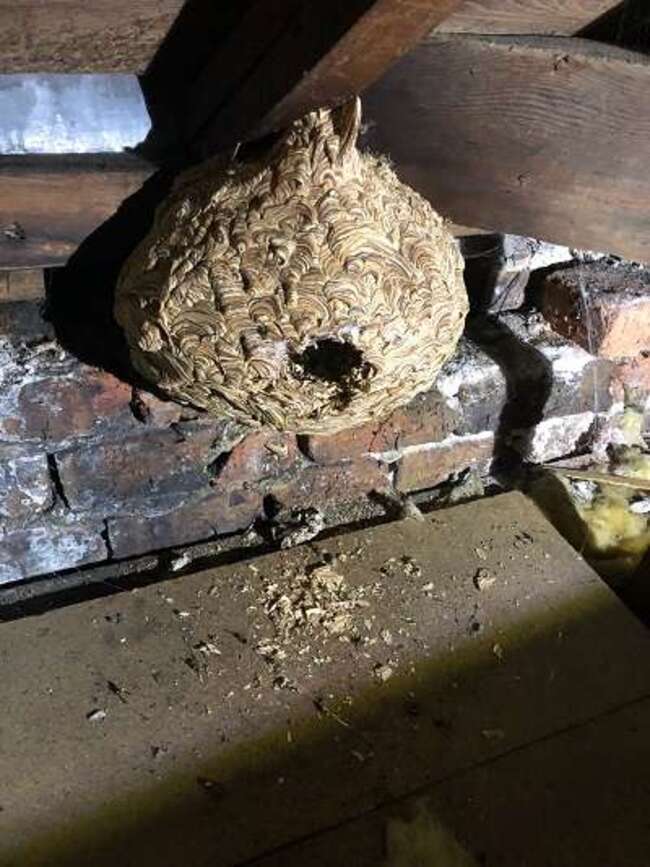
Wasps nest in sheltered locations, away from the weather and protected from any predators. These tend to be dry, isolated and dark areas where they won’t be disturbed. Because wasps nest in these isolated areas, they tend to be parts of your home or garden where you rarely go, which means you might not notice it at first. Early wasp nests are about the size of a golf ball, and some good places to check are below:
- Lofts and attic spaces
- Roof eaves
- Sheds, garages and outbuildings
- Cavity walls
- Outdoor spaces in the ground, trees and shrubbery
Wasp nests usually last around three to four months during the summer. When we reach the end of summer and temperatures start to drop, so do wasp numbers. The colder weather and lack of food will kill off the nest and the new queens will hibernate ready for the next wasp season. Wasps are warm-weather insects, meaning that the queen will come out of hibernation to build her new nest in spring.
Wasps are warm-weather insects so if you leave the nest alone it will eventually die out naturally. The problem is that a wasp nest produces new queens who go into hibernation ready for the next season and they may choose areas nearby such as attic spaces to hibernate in, meaning there is a greater risk to you and your neighbours of having a wasp nest the following year.
Wasp nests can grow very large in size, so it’s best to treat them as early as possible. The larger the nest, the more wasps inside and they can become more aggressive later on in the year. If you need to get rid of a wasp nest, we always recommend getting a professional pest control service to do this for you to ensure the treatment is safe and efficient and to reduce the risk of anyone in your household getting hurt.
If you’re worried about an active wasp nest at your home or business property, avoid tending to this yourself as it could result in painful wasp stings. Always seek professional advice and contact a pest control service who have the necessary skills and training to treat the nest safely.
Contact us
If you’re looking for a professional and dependable pest control partner for your business, MJB Pest Control is here to help. Contact us today to discuss your specific needs and find out how we can help keep your premises pest-free.