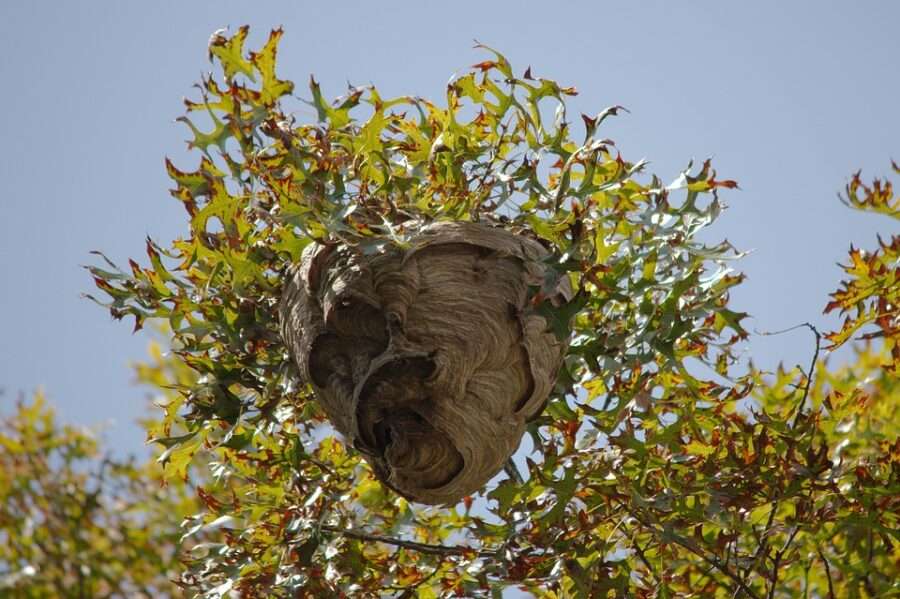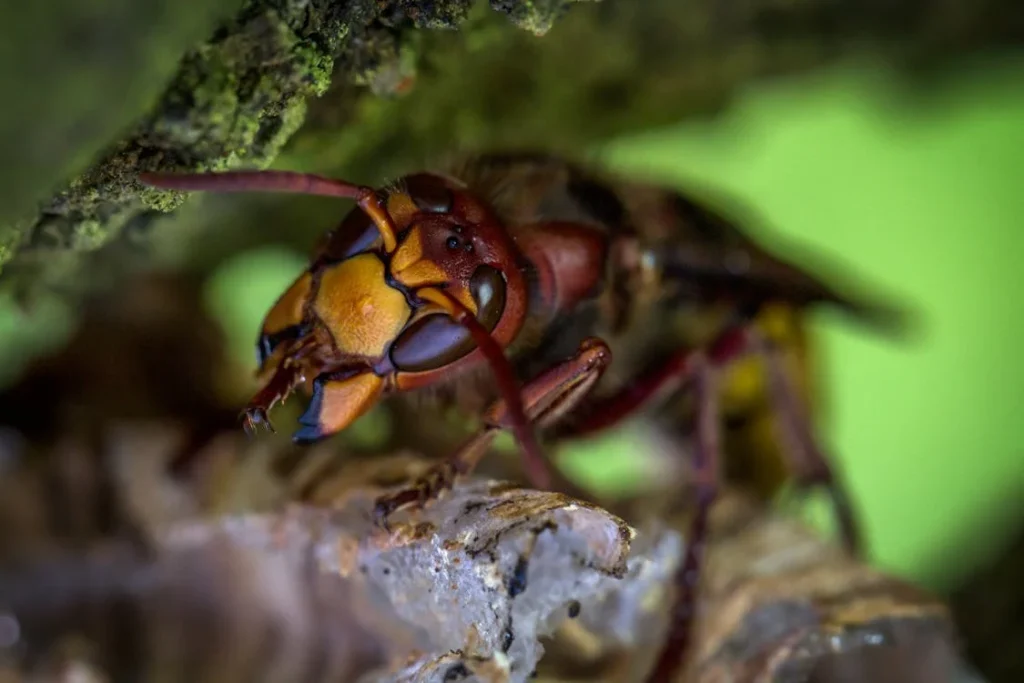
As spring marks the start of wasp season in the UK, that means the Queen wasps will emerge from hibernation and seek out a good place to build her nest. While wasps can actually be good for the garden and can safely be ignored if they’re not bothering you, we understand that the presence of stinging insects in your home can be very distressing.
Wasps usually make their nests in sheltered spots with easy access to travel for food and resources to build their nest and feed the larvae.
It’s not uncommon for wasps to nest underground if they find a suitable location. This is often in old rodent burrows or other hidden openings in the ground. You might see wasps flying to and from a spot in the ground that they are using as an access point but it’s unlikely you will be able to see the nest if it’s underground.
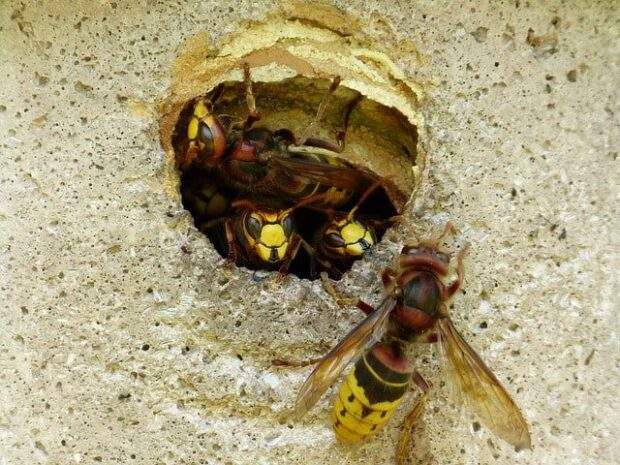
Buzzing noise
This is often a good indicator of wasp activity somewhere on your property. Wasp nests can be well hidden so in some cases, you may hear their distinctive buzzing noise without actually seeing the insects or their nest.
A large number of wasps around your property
In other cases, you might notice the presence of wasps flying around the garden and find more than usual making their way inside. An unusually high number of wasps may indicate there is a nest located nearby as wasps as normally spotted flying around during the day and return to their nests at night. If there is no obvious sign of a nest, you can try following the flight path of the wasps to see where they go.
Where else do wasps build nests?
Wasps favour quiet and sheltered spots to build nests. That’s why you might not notice the early signs of a nest in the spring until you have a much bigger problem on your hands. Indoors, attics and loft spaces are common wasp hideouts, but it’s not unheard of for wasps to set up home in lesser-used spaces like spare bedrooms and even wardrobes.
Outside, there are a few places you can check for wasp activity.
- Sheds, garages and outbuildings
- In trees and shrubbery
- Wall cavities
- Under eaves and in roof spaces
Wasp nests are easier to control with DIY methods at the start of spring when the nest is still in construction and the numbers are limited but we always recommend seeking professional pest control advice before acting.
In the height of summer, wasp nests can contain hundreds of the stinging insects so professional wasp nest removal is always the best option to stay safe and protect yourself and your property.
Wasps nests in the ground or any other hidden location are best dealt with by a pest controller too. If you’re in Yorkshire and you’ve noticed the signs of a wasp nest on your property, get in touch with the team at MJ Backhouse for a free quote and fast, reliable service.
Contact us
If you’re looking for a professional and dependable pest control partner for your business, MJB Pest Control is here to help. Contact us today to discuss your specific needs and find out how we can help keep your premises pest-free.