How do rats get into drainage systems?
Because sewers make it easy for rats to travel, it might not always be obvious how a rodent problem started or how rats got into the drain. A pest controller will be able to inspect the property for you and advise you on entry points and the best action to take, but there are some instances where someone else might be responsible.
Water companies
If the problem drains are beyond the boundary of your property, your local water company may need to assist. You are still responsible for maintaining your own drains including necessary repairs if rats are escaping from your drain.
Landlords
If you’re a tenant facing a problem with rats in drains, you may be wondering if pest control is a tenant or landlord responsibility. Unless stated otherwise in your tenancy agreement, this usually comes down to when and where the problem started. Landlords are responsible for any structural repairs to the property such as fixing broken drains, but it is a tenant’s responsibility to maintain drains and ensure you don’t attract a pest problem by flushing food or other debris down your drains.
Neighbours
With the way that domestic drainage systems work, it’s not unusual for a neighbour’s rat problem to become your problem. This situation can be tricky to deal with if you think that rats are entering your property through a neighbour’s broken or damaged drain as your neighbour will usually be responsible for any repair work needed within the boundaries of their property.
If you’re not sure where rodents are getting in or you need help establishing responsibility for solving a pest problem, it’s always best to get a professional pest control service to take a look for you.
How to prevent rats from entering drains
Prevention is essential for any pest issue, and there are two basic steps to follow when it comes to rodent control: seal up any access points and remove possible food sources.
Check your drains
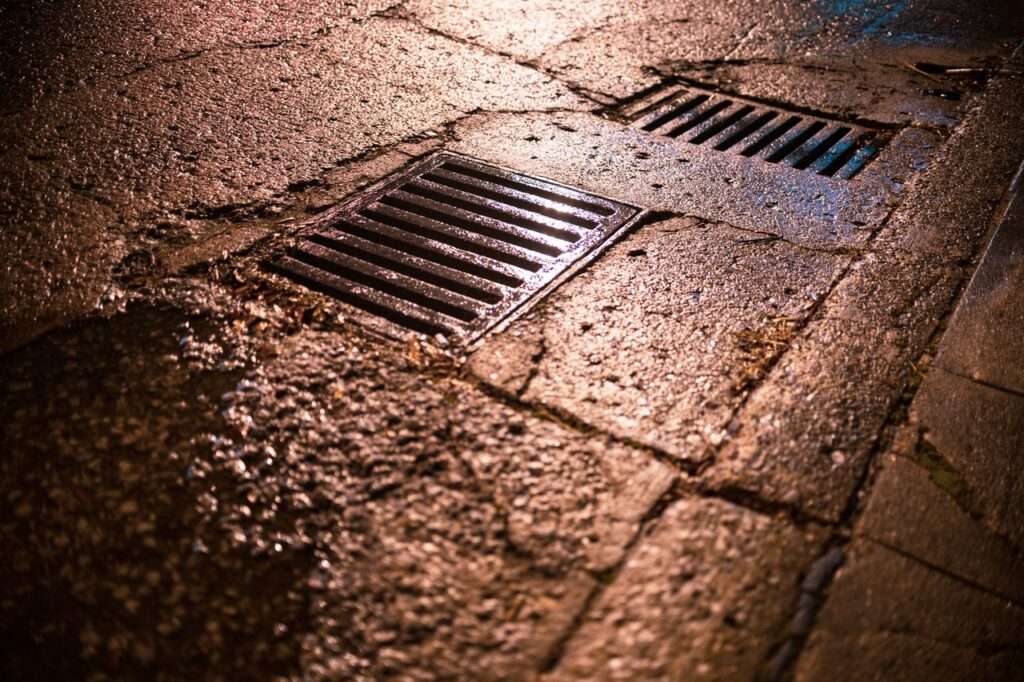
Rats looking for shelter can exploit any structural weakness in your drains so it’s important that you check for signs of damage such as gaps, holes or cracks around your drains, gutters or pipework. If you do spot a problem, it’s best to get it fixed as soon as possible and consider other rat proofing measures such as installing rat flaps.
Eliminate food sources
Rats will only make their home somewhere close to food. While rodents aren’t picky about what they eat, don’t make it easy for them. Be careful with what you put down your plugholes and make sure you regularly maintain the area around your drains and remove any debris.
Call in the professionals
Dealing with rats in drains can get very complicated very quickly so we would always advise against DIY methods of pest control as it can take a lot of time, effort and resources and will usually end up being more expensive and with further potential costly damage on your hands.
How to prevent rats in the garden
Many people are aware of tips to keep your indoor space tidy and how to seal gaps to stop rats from getting inside the house, but we don’t always think about keeping rodents out of the garden and outdoor areas.
Keep outdoor areas tidy
Keeping grass and plants trimmed will gives rats fewer places to hide. Similarly, clearing out clutter and keeping outhouses tidy as well as keeping rubbish secured in bins with a lid will help you to prevent rats. Plus the tidier your outdoor space is, the more likely you are to spot a rat problem if they do choose to move into your garden.
Avoid feeding pets or wildlife outside
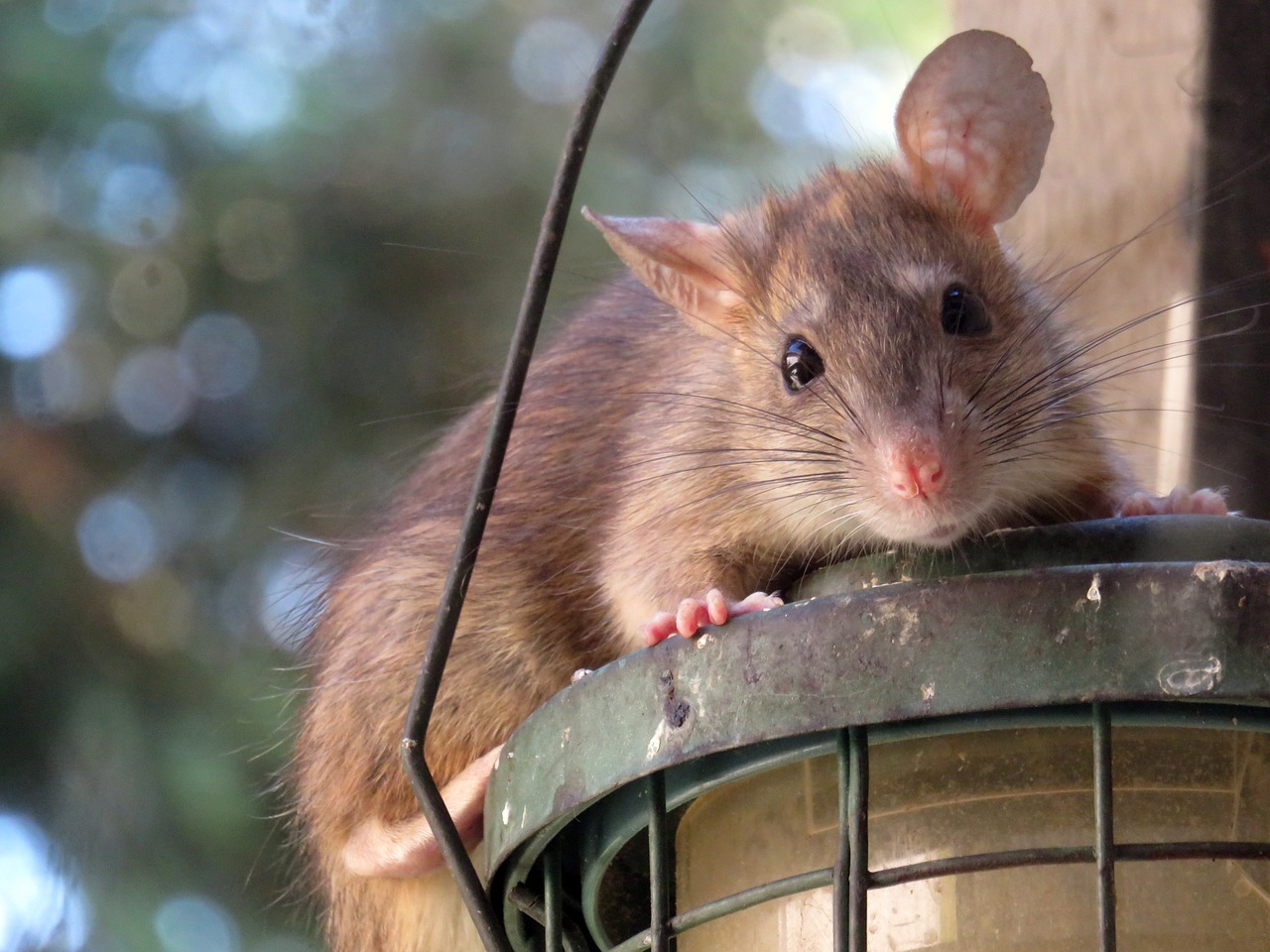
Birdfeeders or leaving other food outside for birds is great for encouraging wildlife in the garden, but they can also attract rodents. Look for feeders that have a protective metal cage to prevent other animals from accessing them and avoid leaving pet food or food waste uncovered outside.
Block access points
Avoid leaving gaps around decking and seal any holes or cracks in walls, doors and floors of any sheds or outbuildings to secure them from rats.
Remove water sources
Rats need access to water to survive, and they aren’t fussy about where it comes from including ponds, water features or leaking outdoor taps. Rats in drains is also a fairly common occurrence so it’s important to keep your drains maintained and repair any signs of damage.
Move things around
Rats don’t like to be disturbed and they especially don’t like new things, so regularly moving around your garden furniture will mean they don’t get too comfortable in your garden.
Contact us
A pest controller will be able to advise you of the source of the infestation as well as helping you establish who is responsible and the best solution to deal with the rodents efficiently. If you’re based in Yorkshire, give MJ Backhouse a call on 0800 542 6359 or get in touch.