
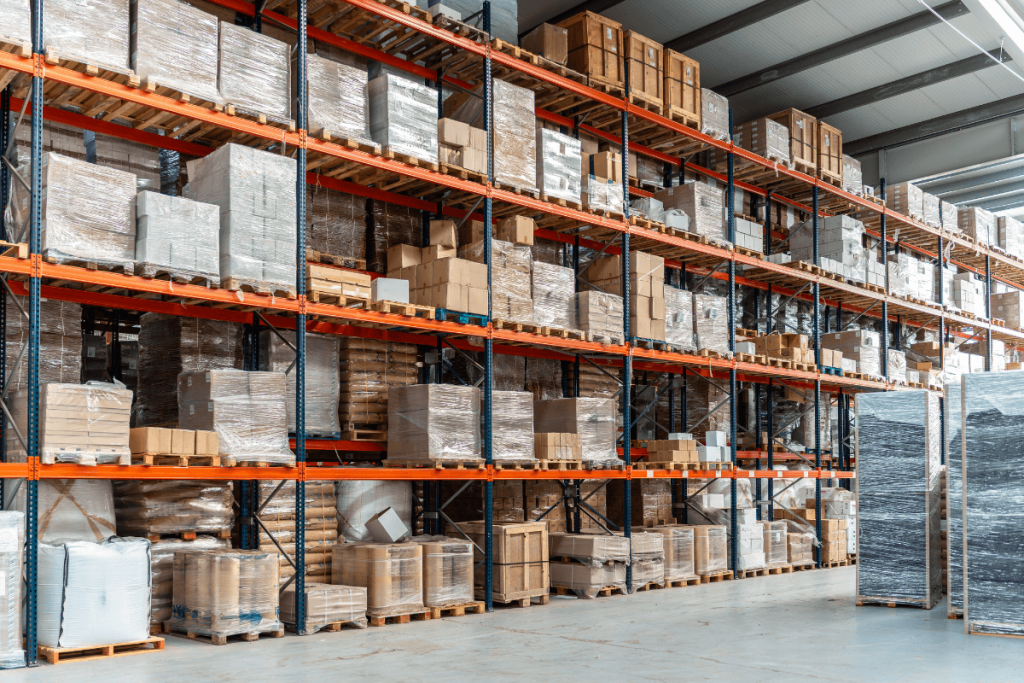
Why Pest Proofing Matters in Retail Environments
Keeping pests out isn’t just about hygiene, it has a direct impact on products, customers, compliance and the overall business performance. Protecting storage areas and stock rooms from rodents, insects and birds can prevent food contamination, damaged packaging and the destruction of products. Due to the dangers of having a pest infested storage area, even the smallest signs of pest activity often means stock must be written off immediately. As well as stock loss, infestations can also lead to delayed deliveries, deep-clean requirements and in some extreme cases, store closures – all of which hit revenue hard. Adhering to strict pest prevention methods, as well as having a pest control contract in place, helps avoid such costly disruptions.
Protect Your Reputation and Stay Compliant
Customers expect retailers to provide safe, high-quality products in clean environments. Evidence of pests can seriously damage that trust and spread quickly online. Businesses must also maintain pest-free environments under Health & Safety and Food Safety regulations. Effective pest proofing not only protects stock and reputation but also ensures standards are met and inspections are passed.
How to Pest-Proof Retail Storage Areas
Pest control is all about reducing opportunities, blocking access, eliminating attractants, and staying proactive. Keep storage areas clean and organised by regularly sweeping floors, removing crumbs and packaging debris, reducing clutter, storing stock on pallets or shelving, and rotating products frequently to avoid long-term undisturbed areas. Seal entry points by inspecting doors, loading bays, vents, drains, and pipework, fitting door sweeps, and repairing cracks or damaged flooring. Store goods securely in sealed, pest-resistant containers, check incoming deliveries for signs of pests, and ensure packaging is kept off the ground. Manage waste effectively by using lidded bins, emptying them frequently, cleaning internal and external waste areas, and positioning outside bins away from entrances. Maintain the exterior by trimming vegetation, inspecting guttering, drainage and roofs for potential access points, and using external lighting that does not attract insects. Finally, implement professional monitoring through insect traps, rodent bait stations, electronic fly control units, and routine inspections, while keeping detailed records of checks and actions taken.
Pests That Threaten Retail Storage Areas Year-Round
Retail storage areas face a range of pests throughout the year. Rodents, including rats and mice, contaminate stock, chew packaging and spread harmful bacteria. Stored Product Insects (SPIs) such as flour beetles, biscuit beetles, moths and weevils are common in dry goods and packaged food. Flying insects like flies, fruit flies, and moths are particularly active in warmer months, while crawling insects such as cockroaches, ants, and silverfish thrive in warm, damp, or cluttered areas. Birds pose risks around loading bays where doors are frequently open.
Seasonal trends show increased flying insects and rodent breeding in spring and summer, rodents seeking indoor shelter in autumn and pest activity concentrating indoors during winter.
Pest proofing retail storage areas is an ongoing process, not a one-off task. By implementing preventative measures, maintaining regular monitoring and engaging professional support when needed, retailers can significantly reduce the risk of infestations, protect their stock, and maintain a safe, compliant environment all year round.
MJ Backhouse offers business pest control contracts to help you stay on top of pest control needs, get in touch with us on 0800 5426359.
Contact us
If you’re looking for a professional and dependable pest control partner for your business, MJB Pest Control is here to help. Contact us today to discuss your specific needs and find out how we can help keep your premises pest-free.


